Reviving School Mental Health: $270M in Grants Return—With Strings Attached
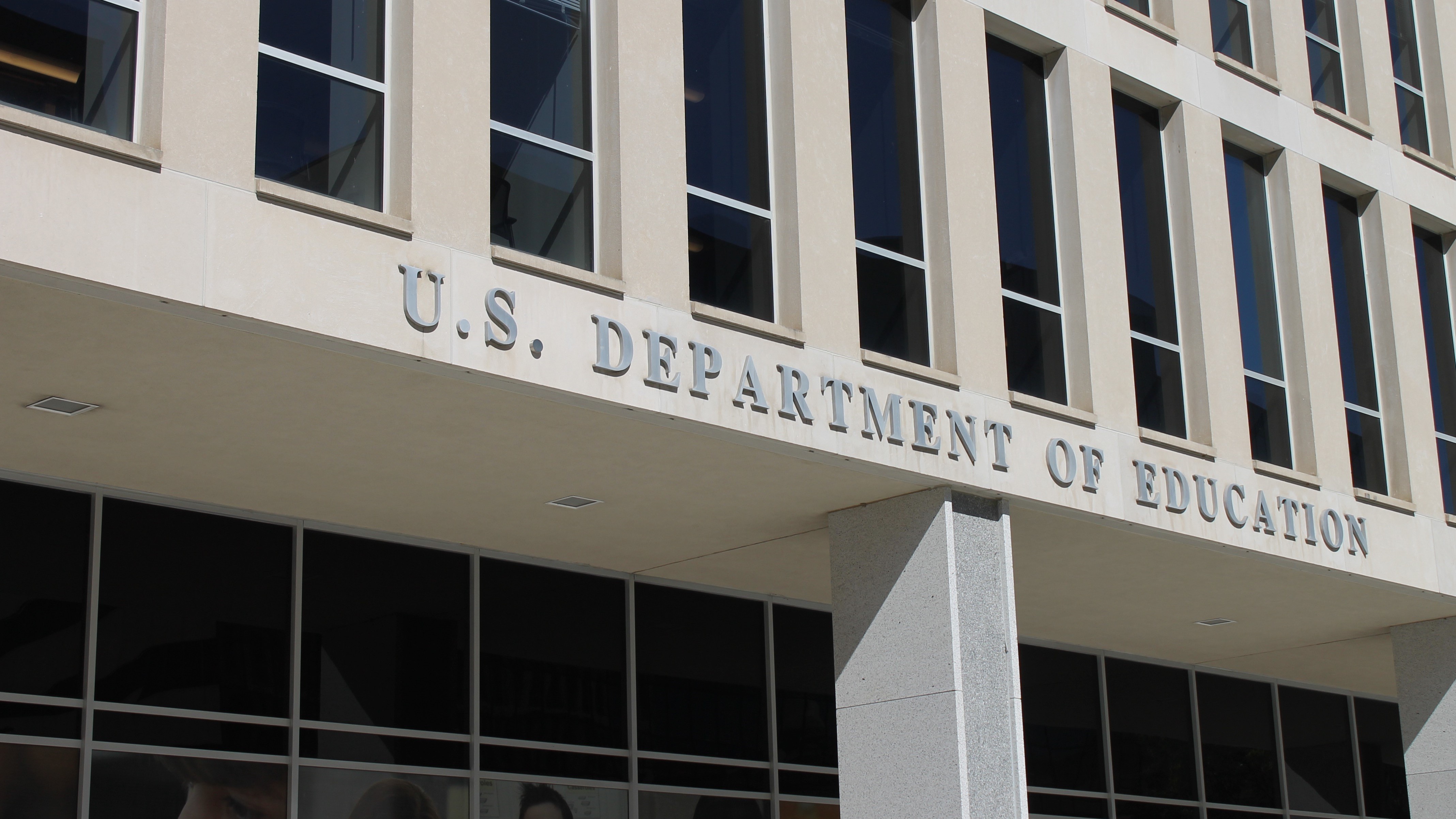
In a move that has sparked both relief and controversy among educators, parents, and mental health advocates, the U.S. Department of Education (DOE) has relaunched two key grant programs aimed at bolstering school-based mental health services. Announced on September 29, 2025, via notices in the Federal Register, the School-Based Mental Health Services (SBMH) Grant Program and the Mental Health Service Professional Demonstration (MHSP) Grant Program will provide a combined $270 million in funding to address shortages of credentialed school psychologists in high-need school districts. This relaunch comes just five months after the Trump administration abruptly canceled the programs, citing misalignment with its priorities, a decision that disrupted ongoing initiatives and drew widespread criticism, including lawsuits from multiple states (U.S. Department of Education, 2025a).
While the funding restoration offers a lifeline amid the ongoing youth mental health crisis—exacerbated by the COVID-19 pandemic, social media pressures, and school violence—the new iterations introduce stringent restrictions and a narrowed focus that experts warn could limit their effectiveness. At Legacy Haven Academy, where student well-being is a core pillar of our mission, we delve into the details of this development to help parents, teachers, and administrators understand its implications for Grades 5-12 education.
The SBMH and MHSP programs were originally established under the Bipartisan Safer Communities Act of 2022, a bipartisan response to the Uvalde school shooting that allocated funds to enhance school safety and mental health supports. The SBMH program, authorized under Section 4631(a)(1)(B) of the Elementary and Secondary Education Act (ESEA), provides competitive grants to state educational agencies (SEAs), local educational agencies (LEAs), and consortia of LEAs to increase the number of credentialed school-based mental health providers in high-need areas. Similarly, the MHSP program supports innovative partnerships to train and place these professionals (U.S. Department of Education, 2025b).
Under the Biden administration, these programs emphasized a multidisciplinary approach, funding the recruitment and retention of school counselors, social workers, and psychologists, with a strong focus on diversity to better serve underrepresented student populations. By early 2025, the programs had distributed over $1 billion nationwide, including nearly $168 million to California alone, supporting initiatives at public universities and districts to train and hire a broad range of mental health staff (EdSource, 2025a).
However, in April 2025, shortly after President Trump's inauguration, the DOE terminated the grants, stating they reflected "Biden-era priorities" and were inconsistent with the new administration's goals. This sudden halt led to immediate fallout: scholarships dried up, planned hires were canceled, and existing staff faced layoffs. In California, seven public universities lost funding for training programs, potentially leaving hundreds of mental health positions unfilled (EdSource, 2025a). Nationwide, the cuts prompted a lawsuit from 16 Democratic-led states, arguing the termination violated administrative procedures and harmed vulnerable students. A separate suit from New Mexico's Silver Consolidated School District was dismissed, with the judge recommending refiling in the Court of Federal Claims (Education Week, 2025a).
The cancellation amplified concerns about the youth mental health epidemic. According to the Centers for Disease Control and Prevention (CDC), nearly 1 in 3 high school students reported persistent sadness or hopelessness in 2023, with rates even higher among LGBTQ+ youth and students of color. Schools, often the first line of defense, face chronic shortages: the National Association of School Psychologists (NASP) recommends a ratio of one psychologist per 500 students, but the national average exceeds 1,100:1, with some districts far worse (Centers for Disease Control and Prevention, 2023; National Association of School Psychologists, 2024).
The relaunched programs, effective for fiscal year 2025 and beyond, allocate $180 million to SBMH (expecting 25-35 awards) and $90 million to MHSP (18-24 awards), totaling $270 million—down from the previous $1 billion scale but a welcome partial restoration (U.S. Department of Education, 2025a; U.S. Department of Education, 2025b). Awards will last up to four years, with applications due by October 29, 2025 (U.S. Department of Education, 2025c).
Eligibility is limited to SEAs, LEAs, and consortia of LEAs; notably, universities—key players in prior iterations—are barred from direct application under MHSP, though partnerships with institutions of higher education (IHEs) are required for training (U.S. Department of Education, 2025b). High-need LEAs are defined as those with a student-to-school-psychologist ratio over 500:1, high rates of poverty, violence, substance use, or recent traumatic events (e.g., those receiving Project SERV grants since October 2020 or experiencing trauma since January 2025) (U.S. Department of Education, 2025c; U.S. Department of Education, 2025b).
The programs now prioritize:
Grantees must hire or respecialize psychologists within 270 days of award and ensure services comply with laws like FERPA, IDEA, and Section 504. Administrative costs are capped at 10% for SEAs and 5% for LEAs, and funds must supplement, not supplant, existing resources (U.S. Department of Education, 2025c; U.S. Department of Education, 2025b).
The "twist" in this relaunch, as described by Education Week, is the explicit narrowing to school psychologists only, excluding social workers and counselors who handled frontline duties in the original programs (Education Week, 2025a). Additionally, funds are prohibited from supporting "gender ideology, political activism, racial stereotyping, or creating hostile environments for students of particular races" (U.S. Department of Education, 2025c; U.S. Department of Education, 2025b). This language aligns with broader Trump administration policies targeting perceived "radical indoctrination" in schools, including investigations into counselors supporting LGBTQ+ students and calls for prosecuting those facilitating social transitions for transgender youth (EdSource, 2025a).
Critics argue these restrictions politicize mental health support. California Attorney General Rob Bonta warned in August 2025 that such moves jeopardize student well-being, echoing concerns in a multi-state lawsuit (Office of the Attorney General, State of California, 2025). The changes also eliminate diversity goals, potentially hindering efforts to recruit providers from underrepresented backgrounds who can better connect with diverse student populations.
For schools like Legacy Haven Academy, serving Grades 5-12, the relaunch could mean more psychologists for assessments and intensive therapy, aiding students with learning disabilities or severe anxiety. However, the exclusion of counselors and social workers—who often manage preventive programs and family outreach—may create gaps in holistic support. Sharon Hoover, former co-director of the National Center for School Mental Health, noted that mental health is a "multidisciplinary effort," and limiting to psychologists could undermine schoolwide initiatives (Education Week, 2025a). Angela Hickman of the American School Counselors Association echoed this, saying the shift ignores needs for less-intensive interventions (Education Week, 2025a).
In California, the impact is acute: the state must reapply under the new rules, potentially losing university-led training pipelines. Districts may face bureaucratic hurdles in forming IHE partnerships, delaying implementation amid rising student needs—46% of California teens reported chronic sadness in recent surveys (EdSource, 2025a). Nationally, rural districts gain priority, but overall funding reductions could exacerbate inequities in under-resourced areas.
Reactions vary. NASP's Kelly Vaillancourt Strobach welcomed the focus on psychologists, citing their role in comprehensive services (Education Week, 2025a). However, advocacy groups like the National Education Association (NEA) link the restrictions to Project 2025, a conservative blueprint that proposes dismantling the DOE and sanctioning discrimination against LGBTQ+ students (National Education Association, 2025). EdSource reports the administration's rhetoric frames counselors as ideologues, fueling debates over free speech and student rights (EdSource, 2025a).
With applications opening soon, districts have a timely chance to shape the future of mental health services through detailed plans highlighting current student-to-psychologist ratios and ambitious hiring projections, due by October 29. Successful grantees can forge strong partnerships via memorandums of understanding (MOUs) within six months, paving the way for collaborative innovations that bring more experts into classrooms (U.S. Department of Education, 2025b). While ongoing legal discussions around the initial cuts offer a path to refine and strengthen these programs, they also highlight the growing momentum for equitable, student-centered solutions.
At Legacy Haven Academy, we celebrate this relaunch as a meaningful advancement in prioritizing youth well-being, opening doors to enhanced access that can transform academic experiences and foster resilience in our Grades 5-12 students. By building on this foundation, we can ensure inclusive supports that celebrate every child's unique needs. We encourage parents and educators to engage actively—tracking local applications and championing holistic services—to amplify positive change.
As communities unite to address the youth mental health landscape, this initiative signals a brighter horizon for evidence-based, compassionate policies. Legacy Haven Academy remains committed to monitoring progress and empowering our families with resources to thrive together.
American School Counselor Association. (2025). Advocacy toolkit: School mental health funding. https://www.schoolcounselor.org/getmedia/12345/advocacy-toolkit-2025.pdf
Centers for Disease Control and Prevention. (2023). Youth risk behavior survey: Data summary & trends report 2013–2023. https://www.cdc.gov/healthyyouth/data/yrbs/pdf/YRBS_Data-Summary-Trends_Report2023_508.pdf
EdSource. (2025a, October 2). Ed Department relaunches mental health grants with restrictions, excluding counselors. https://edsource.org/2025/ed-department-relaunches-mental-health-grants-with-restrictions-excluding-counselors/732456
EdSource. (2025b, September 15). California's 2025 education reforms overhaul K-12 system. https://edsource.org/2025/californias-2025-education-reforms-overhaul-k-12-system/731234
Education Week. (2025a, October 2). Ed. Dept. relaunches mental health grants with a twist: No counselors, social workers. https://www.edweek.org/leadership/ed-dept-relaunches-mental-health-grants-with-a-twist-no-counselors-social-workers/2025/10
Education Week. (2025b, January 2). Predictions for ed tech in 2025: AI, cellphones, cybersecurity. https://www.edweek.org/technology/predictions-for-ed-tech-in-2025-ai-cellphones-cybersecurity/2025/01
National Association of School Psychologists. (2024). Shortage of school psychologists: NASP recommendations. https://www.nasponline.org/resources-and-publications/resources-and-podcasts/mental-health/school-psychology-shortage
National Education Association. (2025). Project 2025 and the attack on public education. https://www.nea.org/advocating-for-change/new-from-nea/project-2025-and-attack-public-education
Office of the Attorney General, State of California. (2025, August 15). Attorney General Bonta warns against politicization of school mental health services. https://oag.ca.gov/news/press-releases/attorney-general-bonta-warns-against-politicization-school-mental-health-services
U.S. Department of Education. (2025a, September 29). Federal Register notice: School-based mental health services grant program. https://www.federalregister.gov/documents/2025/09/29/2025-21234/school-based-mental-health-services-grant-program
U.S. Department of Education. (2025b, September 29). Federal Register notice: Mental health service professional demonstration grant program. https://www.federalregister.gov/documents/2025/09/29/2025-21235/mental-health-service-professional-demonstration-grant-program
U.S. Department of Education. (2025c, October 1). FY 2025 grant application instructions: SBMH and MHSP programs. https://www2.ed.gov/programs/mentalhealth/application-instructions-2025.pdf